
Our Innovations
All Innovations
Discover our Innovations
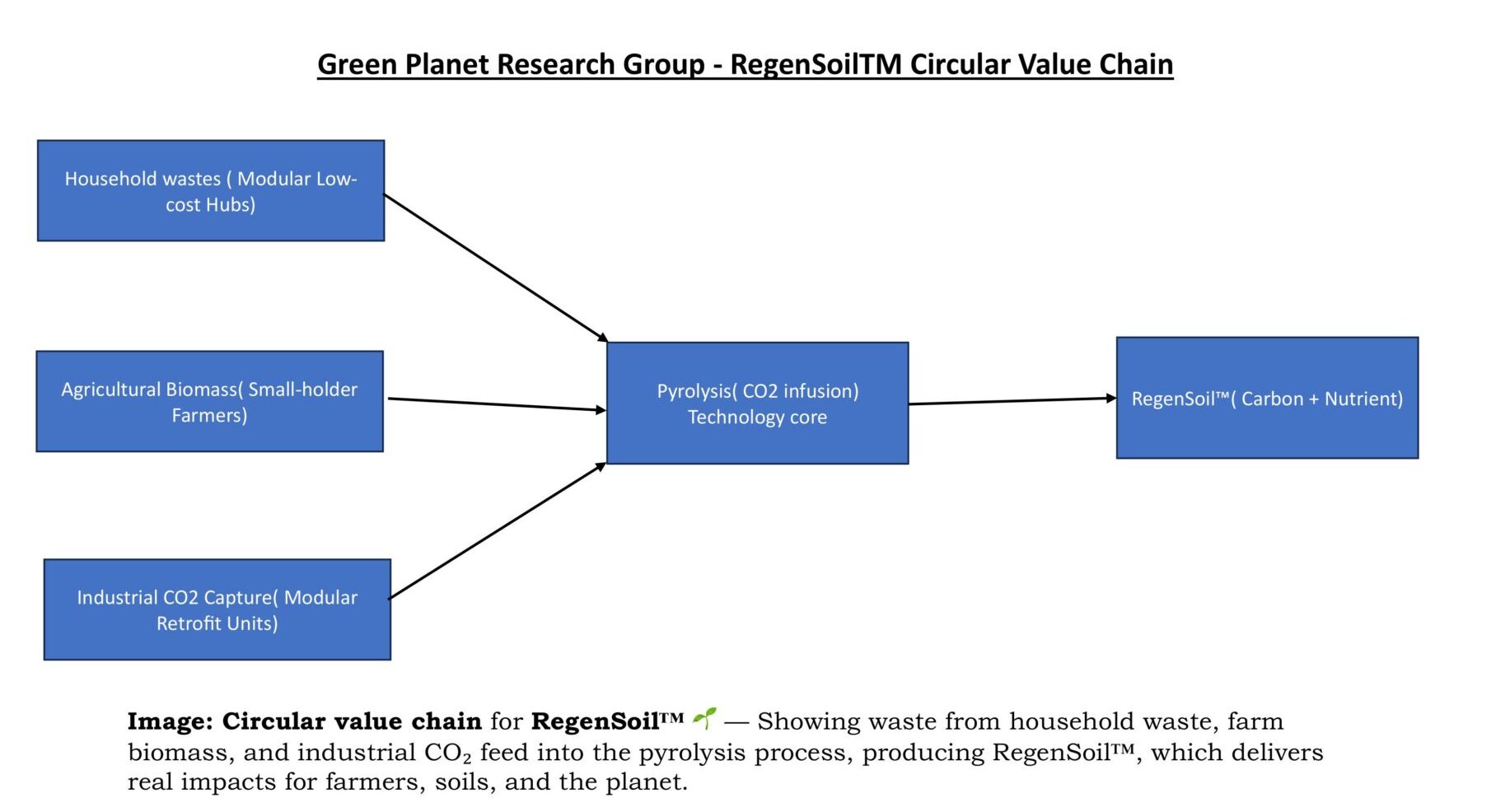
Industrial CO₂ capture
Control, monitoring, and verifiable data: Closed-loop control with ML: Supervised models predict flue-gas load and adjust amine flow/adsorption cycle timing (or membrane back-pressure) to stabilize capture efficiency. Anomaly detection: Unsupervised models flag sensor drift, solvent degradation, leaks, or fouling. Disaggregated emissions data: Time-series pipelines produce minute-level CO₂ flow and purity, tagged by plant, line, and time. That enables auditable MRV for carbon finance and precise “CO₂ infused per batch” records for RegenSoil™. Predictive maintenance: Remaining-useful-life (RUL) models schedule service before efficiency drop.
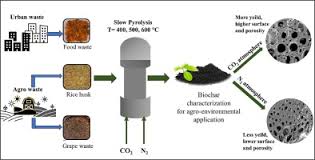
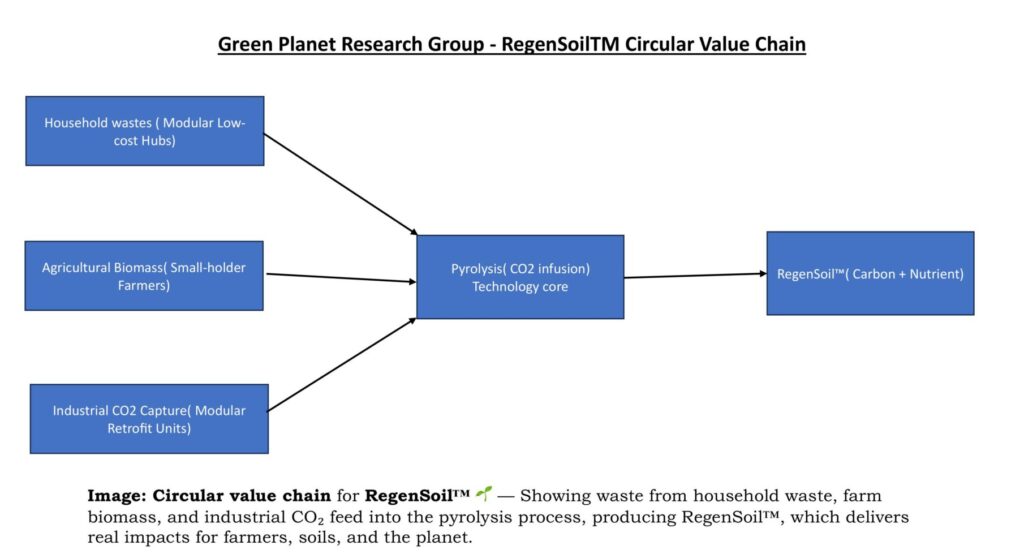
Pyrolysis + CO₂ infusion: quality and carbon permanence
Set-point optimization: Bayesian optimization tunes reactor temperature, residence time, and feedstock blend to hit target bio-char carbon content, pH, and surface area. Gas utilization: Off-gas CHP control minimizes emissions; purified captured CO₂ is metered into post-treatment so it chemisorbs/adsorbs within bio-char’s pore structure. Batch certificates: Each lot of RegenSoil™ carries a digital passport (sensor- derived) with carbon content, basicity, and moisture—supporting both agronomy and credit issuance.
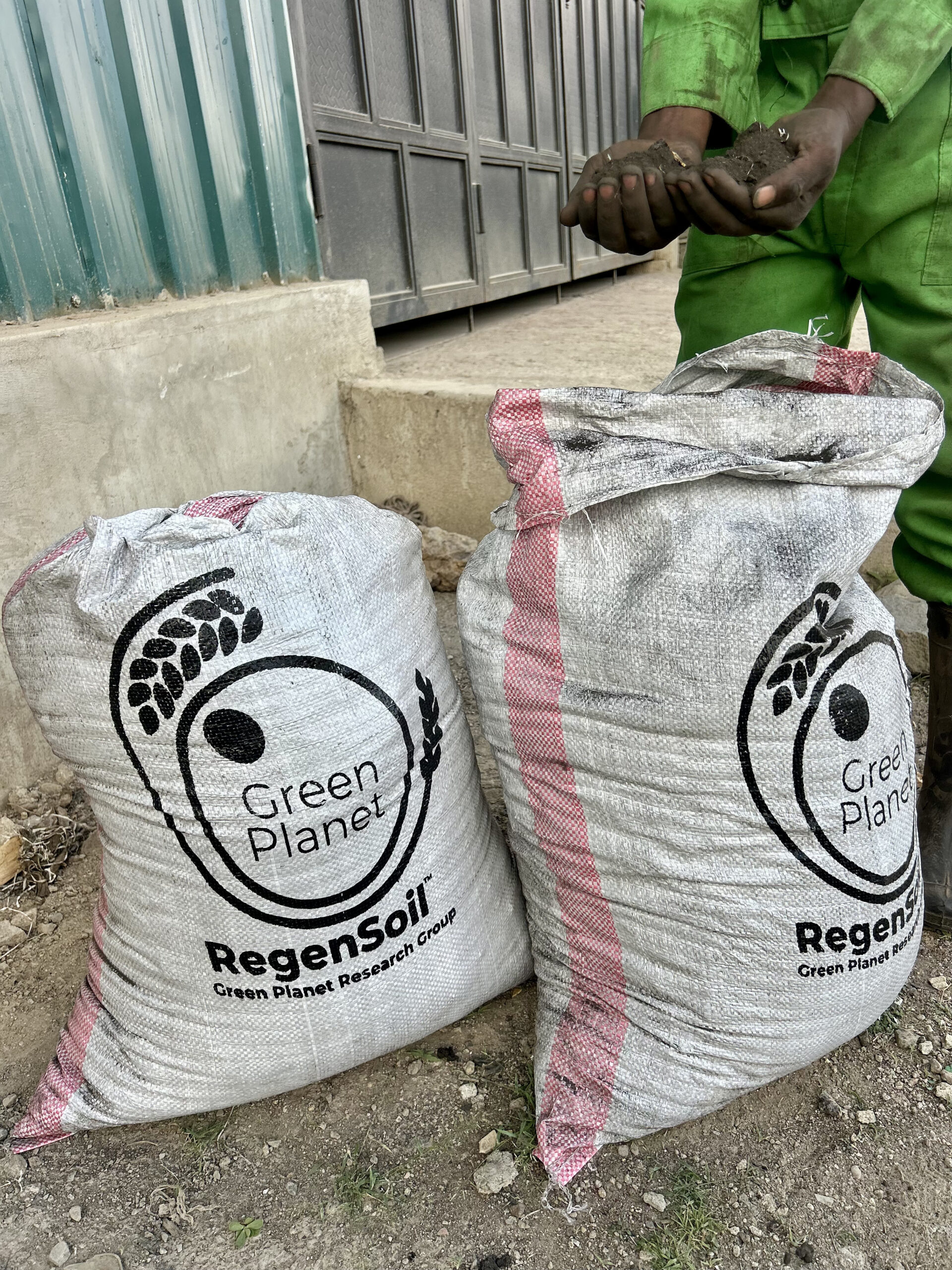
Soil Intelligence
Field-level diagnostics, including IoT probes, satellite indices (NDVI/NMDI/thermal), and historical yield data, inform an ML soil map (pH, moisture, and organic matter classes). Variable-rate guidance: A prescription engine recommends RegenSoil™ dose (kg/acre) and lime/compost complements, based on acidity and texture, and pushes real-time instructions to a farmer’s phone (offline-first). On-farm feedback loop: As farmers apply and irrigate, sensors update moisture and pH deltas; reinforcement-style policies adjust top-up doses within the season. Outcome attribution: Mixed-effects models separate weather and management effects from the impact of RegenSoil™, building credible evidence on yield and soil health.
Smart Waste & Logistics
Feedstock forecasting: Time-series models predict organic waste inflow to hubs; routing optimizers cut collection cost and fuel. Quality control: Simple computer vision flags contamination; moisture models decide pre-drying needs to hit reactor specs.
Components
System architecture
1. IoT sensing layer
* Industrial Capture Units. * Waste hubs & pyrolysis. *On-farm soil & micro-climate:
2. Edge Intelligence
E Low-power compute (ARM/MCU) at each site runs anomaly detection and control loops locally for millisecond-to-second responses, even with poor connectivity (LoRaWAN/LTE).
3. Cloud analytics+ digital twin simulation
A secure data lake streams time-stamped, disaggregated telemetry. A digital twin models capture units, pyrolysis reactors, and representative farm plots to simulate and optimize operations.
4. Advisory & APIs
Dashboards for plant operators; USSD/SMS/app for farmers; open APIs for partners and verifiers (MRV).
Why AI/ML is a game-changer.
Higher capture efficiency & uptime:
Fast control and predictive maintenance keep CO₂ capture steady and reduce downtime.
Precision soil restoration:
Variable-rate dosing reduces waste, maximizes pH correction, water retention, and microbial habitat—translating to more reliable yield gains on degraded land.
Consistent product quality:
Optimized pyrolysis yields stable carbon, appropriate alkalinity, and high cation-exchange capacity—key to neutralizing acidic soils.
Affordability & inclusion:
IoT-verified outcomes enable performance-linked pricing and micro-subscriptions; credible MRV lets carbon revenue subsidize smallholders.

3+
How we make money
Revenue Model Overview
- Feedstock Loop: Waste hubs and farmers provide raw materials in exchange for discounted RegenSoil™. This creates a self-sustaining circular economy.
- Subscription & Tiered Pricing: RegenSoil™ is delivered via affordable subscription models, with costs adjusted to soil degradation levels and farmer capacity.
- Carbon Revenue Integration: Verified carbon sequestration generates carbon credits, with a portion of revenues used to subsidize RegenSoil™ costs for farmers living on <$2/day.
- Community Empowerment: Women’s groups and cooperatives manage soil banks, ensuring equitable distribution and collective resilience.